Module 4: Outdated Leadership Models - and Why They Fail
In any business settings but especially, educational settings, leadership styles play a pivotal role in shaping the learning environment and nurturing student development. One prevalent approach is the authoritarian leadership style, also known as autocratic or command and control.
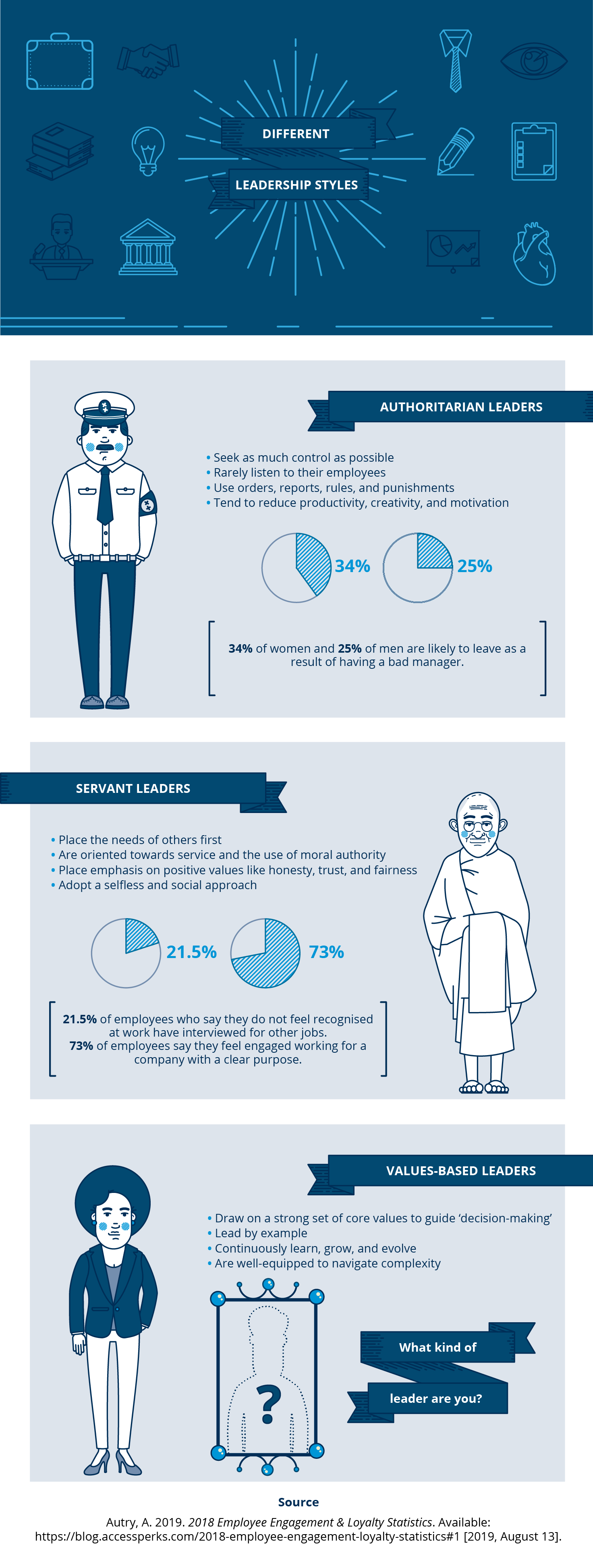
Traditionally entrenched in corporate contexts, authoritarian leadership relies on directives, policies, and rigid structures to achieve predetermined outcomes. Leaders wield unilateral decision-making power, often dismissing input or feedback from educators and students alike. While effective in scenarios demanding swift and decisive action, such as emergency situations, this approach can stifle creativity and hinder collaboration in educational settings.
Unlike authoritarian leadership's rigid control, a values-based approach empowers educators to lead with compassion and empathy. By anchoring decisions in shared values such as integrity, respect, and collaboration, leaders cultivate a culture of trust and mutual respect among students and staff.
Moreover, cultural nuances shape perceptions of effective leadership. While Western traditions often prioritize authoritative figures who demonstrate competence and decisiveness, other cultures emphasize qualities like humility and service-oriented leadership.
Regardless of cultural context, leadership approaches that prioritize empathy, inclusivity, and ethical conduct yield positive outcomes in educational settings.
Have a look and study these different leadership styles and then reflect and answer the questions at the bottom:
Pause and Reflect:
Take a moment to reflect on the different types of leaders you have experienced in your life. Do any of them strike you as embodying the characteristics of one of the three leadership styles discussed above? How about your own leadership style? Which of these leadership styles do you think you embody most?